Steel Sheet Piles
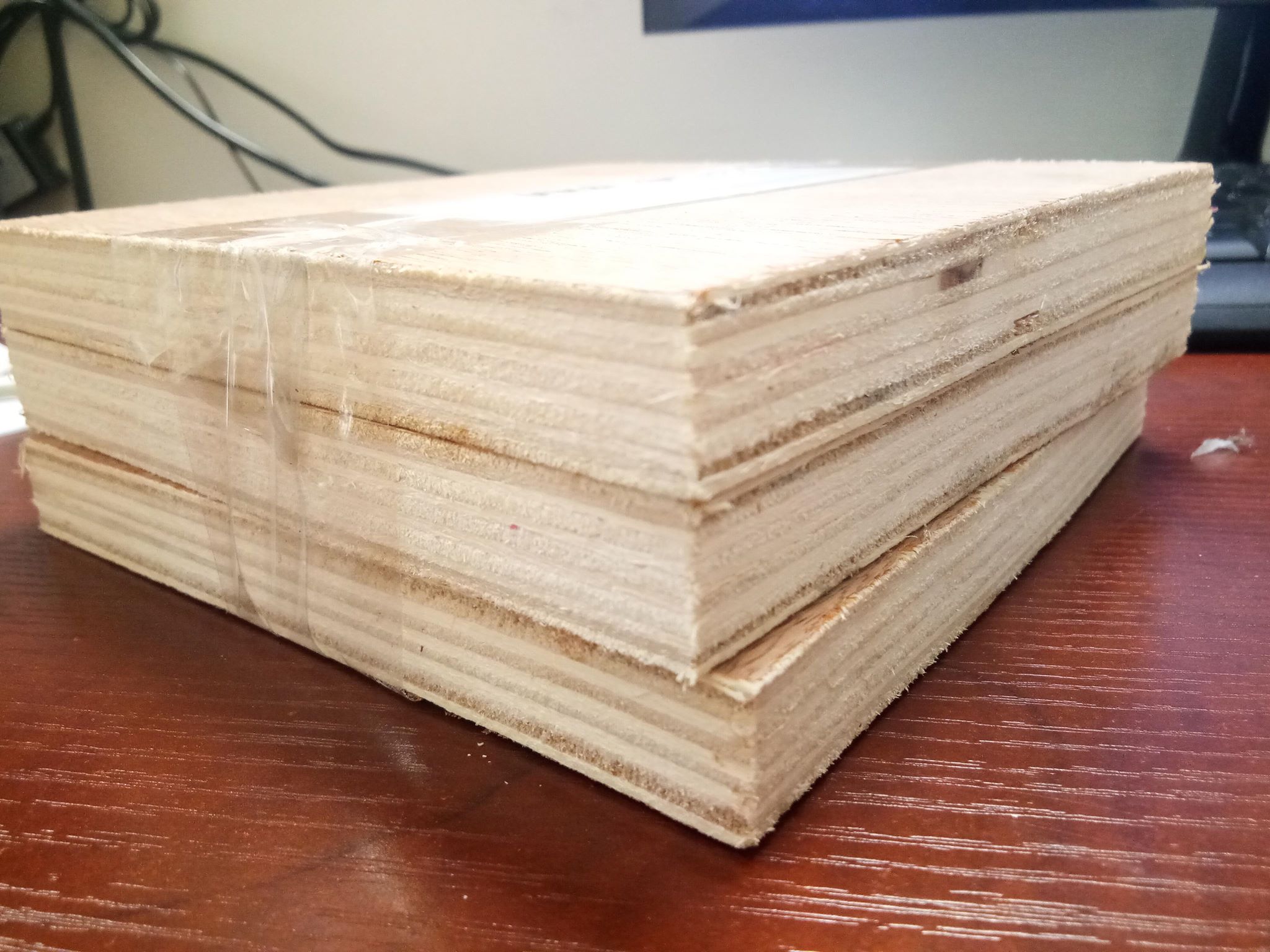
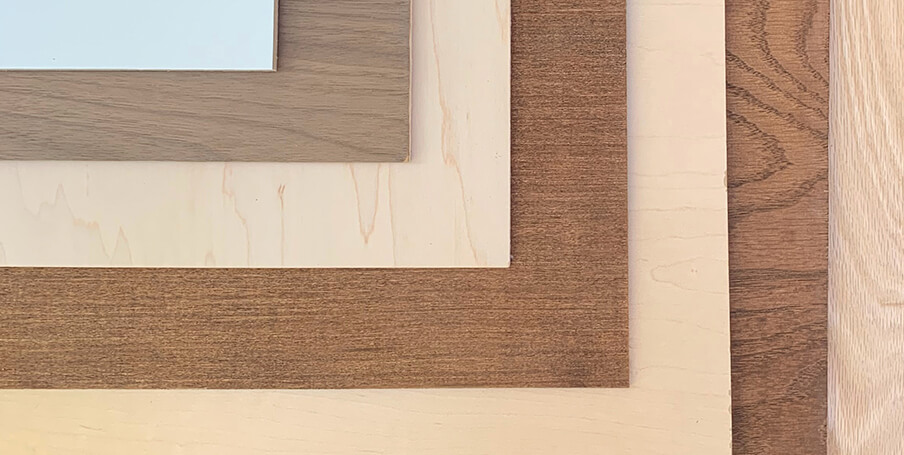
Knowing the types of plywood and where to use them greatly help in buying the right plywood for your project. Below are some of the most common types of plywood:
Steel Sheet Piles
Steel sheet piles are the most widely used option for heavy-duty applications. They offer excellent strength-to-weight ratios, withstand the stresses of installation, and can be reused across multiple projects. Although they typically require a higher upfront investment, their durability and recyclability often make them the most cost-effective choice over the long term.
Concrete Sheet Piles
Concrete sheet piles are usually precast and reinforced for permanent structures such as seawalls, riverbanks, and flood protection systems. They provide excellent durability and resistance to corrosion and biological deterioration. However, their heavier weight makes them more challenging to transport and install, which can increase project costs.
Vinyl/PVC Sheet Piles
Vinyl or PVC sheet piles are a lightweight alternative suited to light-duty applications. They resist chemical corrosion, rust, and UV exposure, making them ideal for marine and waterfront environments with lower structural demands.
However, while they are cost-effective and require minimal maintenance, they are not suitable for deep excavations or projects involving heavy loads.
Timber Sheet Piles
Timber sheet piles are commonly used for temporary works or shallow excavations in non-corrosive environments. They are generally the most economical option but have lower strength than other materials. Because timber is vulnerable to rot, insects, and marine borers, it is less suitable for long-term applications unless properly treated and maintained.
Applications of Sheet Piles
Sheet piles are widely used in construction projects that require reliable earth retention and water control. Depending on the project’s requirements, they can serve as either temporary or permanent structures, helping maintain ground stability and support safe construction.
Flood Protection
Sheet piles are commonly used to stabilize riverbanks and construct seawalls and levees. They create a durable barrier that helps prevent soil erosion, control water intrusion, and protect nearby communities and infrastructure from flooding.
Retaining Walls
Sheet piles are essential for supporting deep excavations for high-rise buildings, basements, tunnels, and other underground structures. By resisting lateral earth pressure, they help maintain ground stability and protect both the construction site and nearby properties throughout the excavation process.
Waterfront Structures
The construction of piers, docks, harbors, and quay walls often relies on sheet piles to create strong and stable waterfront structures. These systems are designed to withstand constant water pressure, wave action, and the demanding conditions of marine environments.
Temporary Cofferdams
In bridge, dam, and marine construction, sheet piles are used to build temporary cofferdams that keep water out of the work area. This creates a dry, controlled environment where foundation work can be completed safely before the sheet piles are removed or incorporated into the permanent structure.
Advantages of Using Sheet Piles
Sheet piles are widely used in construction because they provide a practical combination of strength, efficiency, and long-term value. Their design allows them to perform well in demanding environments while helping improve construction speed and site safety.
Strong and Durable
Sheet piles are manufactured from high-strength materials that can withstand significant lateral earth and water pressure. Their durability helps maintain ground stability and reduces the risk of soil collapse, making them ideal for deep excavations and other high-risk construction projects.
Fast and Versatile Installation
The interlocking design of sheet piles allows for faster installation than many conventional retaining systems, such as cast-in-place concrete walls. They can be used in a wide range of soil conditions and are especially suitable for confined urban areas where excavation space is limited.
Effective Water Control
The tight interlocking connections between sheet piles help minimize groundwater seepage and control water intrusion. This makes them particularly valuable for projects in coastal areas, flood-prone locations, and sites with high groundwater levels.
Reusable and Cost-Effective
Steel sheet piles can often be extracted and reused on future projects, helping reduce material waste and overall construction costs. Their long service life, low maintenance requirements, and reusability make them a cost-effective solution for both temporary and permanent applications.
Considerations When Using Sheet Piles
While sheet piles offer many advantages, they are not suitable for every project. Factors such as site conditions, installation requirements, long-term maintenance, and project objectives should all be evaluated during the planning and design stages.
Height and Soil Limitations
Sheet piles have practical height limits before additional support, such as tie-backs or bracing systems, becomes necessary. Installation can also be challenging in rocky ground or very dense soils, where pre-drilling or specialized equipment may be required.
Noise and Vibration During Installation
Installing sheet piles with vibratory or impact hammers can generate considerable noise and ground vibration. In densely populated or built-up areas, these effects may disrupt nearby communities or affect adjacent structures, requiring careful planning and appropriate mitigation measures.
Corrosion and Maintenance
Steel sheet piles are susceptible to corrosion when exposed to moisture and oxygen, while timber piles may deteriorate due to rot and biological attack. To extend their service life, protective coatings, cathodic protection systems, or regular maintenance may be necessary, particularly in harsh or marine environments.
Cost and Visual Impact
Although sheet piles are highly effective, the overall project cost may increase when protective treatments, specialized installation methods, or additional support systems are required. In addition, exposed sheet pile walls may not suit projects where aesthetics are a priority, making architectural finishes or screening necessary.
Build a Strong Foundation With the Right Sheet Piles
Choosing the right sheet pile system requires balancing structural performance, site conditions, and long-term project requirements. By selecting the appropriate material and installation method, you can improve construction efficiency, enhance site safety, and ensure the long-term stability of your structure.
If you are looking for high-quality sheet piles for your next project, partner with a supplier that understands the unique challenges of local construction conditions. Uno Dragon Philippines offers reliable sheet pile solutions to support a wide range of civil engineering and infrastructure projects. Contact us today to discuss your requirements and find the right solution for your project.