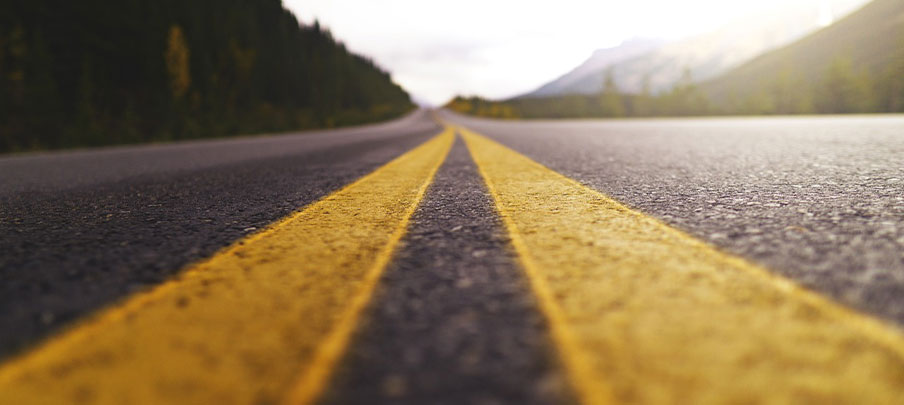
Thermoplastic paint (TP) is a specialized coating made up of polyvinyl chloride (PVC) resin, pigments, and other additives. When heated, this paint becomes soft and pliable, then solidifies as it cools. Typically, thermoplastic paint is used in pavement markings, pedestrian crosswalks, and other traffic indicators due to its reflective properties that provide a glossy finish. It is also fast-drying, highly adhesive to road surfaces, and can withstand harsh weather conditions and wear and tear.
Thermoplastic paints can be applied to any surface using either spray or extrusion methods. Their application thickness ranges from 90 to 120 mils, depending on the specification.
Thermoplastic Paint vs Normal Paint
While both materials are used for visible line markings, thermoplastic paint offers several advantages over traditional paints in terms of drying time, durability, and overall cost.
- Drying Time
Traditional paints often require a longer drying time, from a few hours to multiple days, even under optimal conditions. In contrast, thermoplastic paint uses specialized equipment to rapidly solidify and set within minutes of application, allowing for faster drying times than paints. - Durability
Thermoplastic paint is known for its firm adhesion to surfaces, making it highly resistant to heavy traffic and harsh weather conditions. It also has a long lifespan of three to five years or more. Conversely, traditional paints are susceptible to fading, chipping, or wearing under harsh conditions, which requires regular maintenance and repainting. - Cost
Thermoplastic may have a higher initial cost due to the specialized equipment used for the application, but it offers a longer lifespan and long-term cost savings. On the other hand, traditional paints are generally cheaper upfront but may require more frequent reapplication.
Related: Common Mistakes to Avoid When Using Thermoplastic Paint
Manufacturing Process of Thermoplastic Paint
The production of thermoplastic paint involves a multi-step process to ensure the consistent quality and performance of the final product. The following are some key stages in the manufacturing process:
- Resin Melting: The process begins with melting the resin in a specialized vessel or extruder. Temperature is carefully controlled to prevent the resin from degrading.
- Pigment and Filler Addition: Once the resin is molten, pigments and fillers are carefully mixed to achieve the desired color, opacity, and physical properties.
- Plasticizer Blending: Adding plasticizers to the formulation helps enhance the flexibility and elasticity of the thermoplastic paint.
- Curing Agent Integration: Curing agents are added to the formulation to allow the thermoplastic paint to harden and set upon application.
- Mixing: Using specialized machinery, the mixture is thoroughly stirred to ensure a homogeneous and consistent formulation and quality.
- Glass Bead Incorporation: To enhance visibility and retro-reflectivity, reflective glass beads are strategically added and distributed within the thermoplastic paint mixture.
- Cooling and Packaging: Finally, the thermoplastic paint is cooled and packaged, ready for distribution and application to various road surfaces.
The Eco-Friendly Aspects of Thermoplastic Paint
Sustainability is becoming increasingly important in the paving industry, which makes thermoplastic paint a definitive eco-friendly option. Here are the environmental benefits of thermoplastic pavement marking paint:
- Decreased Carbon Emissions: Compared to conventional paints or materials, the production of thermoplastic paint generally consumes less energy, leading to a lower carbon footprint and greenhouse gas emissions.
- Lower Chemical Footprint: Thermoplastic paint typically contains fewer volatile organic compounds (VOCs) and other hazardous chemicals, which helps minimize the environmental impact during production and application.
- Enhanced Longevity: The exceptional durability of thermoplastic paint means that it requires less frequent reapplication or redoing than traditional paints, reducing the overall consumption of raw materials and the associated environmental impact.
- Recycled Nature: Thermoplastic paints are usually made from recycled glass and plastics that can also be repurposed into new markings. This closed-loop approach helps conserve resources and minimize waste.
Thermoplastic Paint for Your Pavement Marking Services
The use of thermoplastic paints in road marking projects in the Philippines is highly practical due to their superior characteristics. These paints offer quick application, longevity, and excellent visibility. Although the upfront cost may be higher, the long-term cost savings and safety improvements make them a justified choice for most road marking applications.
If you are looking for a reliable thermoplastic paint supplier in the Philippines, Uno Dragon Philippines is the best place to call. We offer high-quality thermoplastic paint solutions that not only enhance road user safety but also provide a long-term investment for our clients. Whether you are looking to improve road marking visibility or enhance the durability of pavement surfaces, our products always deliver on quality and performance.
Ready to see what thermoplastic road marking paint can do for you? Reach out to us here to kickstart your next project.